20 November 2025
What Is E-E-A-T in SEO? The Key Framework Behind Google’s Rankings


In the changing world of online search, one phrase keeps surfacing in strategy meetings: EEAT. But what exactly does it mean, and why should anyone doing SEO digital marketing care? This article explains what EEAT is in SEO, how it affects SEO optimization, and why it’s central to creating content that end users and Google value.
The four pillars: what EEAT really stands for
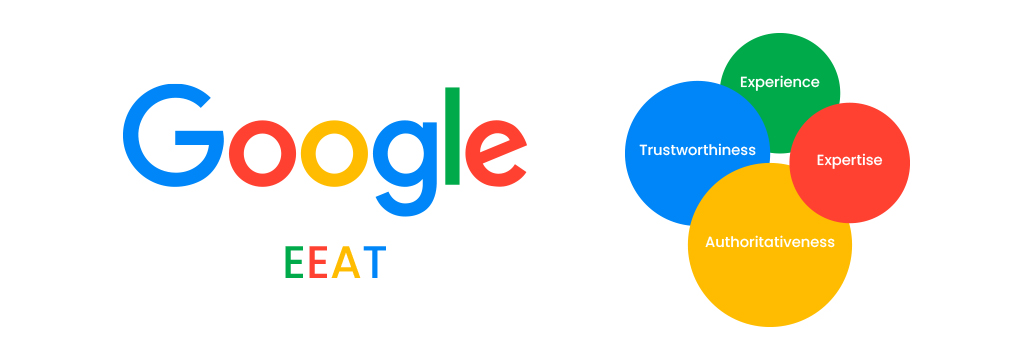
Search quality evaluators once focused on EEAT- Expertise, Authoritativeness, Trustworthiness. Recently, Google added an extra leading E: Experience. Together, these four ideas form EEAT. Think of them like a checklist your content should pass:
- Experience - real, hands-on interaction with the topic, not secondhand summaries.
- Expertise - demonstrated skill or knowledge in the subject area.
- Authoritativeness - recognition from peers, citations, and endorsements.
- Trustworthiness - accuracy, transparency, and clarity that make readers confident.
If you’re wondering what is EEAT, it’s not a single ranking button to flip. Rather, it’s a framework that guides Google’s understanding of whether content is genuinely helpful or merely noise.
Why Google places weight on EEAT
Google’s mission is to connect people with useful, accurate information. That means results that reflect real knowledge and lived experience rank higher in user satisfaction. Pages that demonstrate strong EEAT tend to keep visitors engaged, earn backlinks, and become trusted references - all outcomes Google’s algorithms reward indirectly.
This importance is magnified in YMYL (Your Money or Your Life) topics, where bad advice can harm people’s health, finances, or safety. For such content, Google applies a tougher EEAT filter: credentials, firsthand accounts, and trustworthy sourcing become nonnegotiable. So when you ask what is EEAT in SEO, remember it’s especially critical for content that impacts real-world decisions.
How EEAT affects your SEO optimization
While EEAT itself may not be a numeric ranking metric, it influences many signals search engines do count: quality backlinks, longer dwell times, lower bounce rates, and repeat visits. Sites that consistently show experience, expertise, authority, and trustworthiness build momentum — and that helps every other SEO effort perform better.
Practical steps to build real EEAT in your content
Here are ways you can fold EEAT into your SEO digital marketing workflow:
- Share firsthand accounts.
- Show who’s writing
- Rely on reputable sources
- Go deep, not wide.
- Be transparent
- Engage actively
- Encourage third-party validation
Product tests, case studies, and how-tos written from direct experience show readers you’ve actually done the work. That authenticity strengthens the Experience pillar.
Include author bios, qualifications, and context about why they’re credible. Clear credentials make Expertise visible.
Back claims with studies, trusted industry pages, and cited references to support Trustworthiness.
Thorough articles that answer follow-up questions and link to related content build long-term Authority.
Disclose sponsorships, correct errors, and update content when facts change - trust is fragile and must be maintained.
Like, comment, share users’ posts. Recognize and elevate their voices.
Reviews, press mentions, and guest contributions create external signals of authority.
Final thought: EEAT as a mindset, not a hack
At Think First Digital, we view EEAT as a long-term content discipline rather than a quick growth trick. When you create pieces that reflect lived experience, backed by skill and credible sources, you’re aligning with what Google wants to surface: content that genuinely helps people.
Before you publish your next post, ask: does this show real experience? Can I prove the author’s expertise? Will readers trust this information? If the answer is “yes,” you’re building content that stands a far better chance of ranking - and of earning real user trust - over time.